
Accessibility and Assistive Technology
Accessibility work is a crucial part of computer science, dedicated to making inclusive technology for everyone.
We prioritize accessibility throughout the process of designing and developing hardware, software and websites because all individuals deserve the opportunity to enjoy these digital interactions.
Disabilities are common and can be situational, temporary and permanent in duration. For example, visual and hearing impairments, mobility challenges, and learning disabilities can impact how individuals interact with technologies. Since abilities can vary widely by person and situation, research is key to understanding user needs and informing the design experience. There are many areas to study within the HCI + accessibility field, such as assistive technologies, adaptive interfaces, alternate input devices, data visualizations, and using voice and speech as inputs, just to name a few.
A commitment to accessible computing reflects our values of inclusivity and equality, and following the best practices of accessible design often improves user experience for everyone in the community.
Students who want to learn more about this HCI research area might be interested in:
- Occasional courses, such as 05-499/05-899: Special Topics: Accessibility: A Guide to Building Future User Interfaces
- Following the work at ASSETS the International ACM SIGACCESS Conference on Computers and Accessibility
-
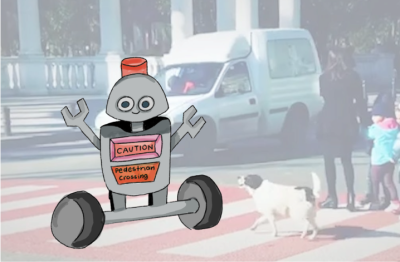
Robots Could Clear Snow, Assist at Crosswalks, Monitor Sidewalks for Traffic
NEWSA new study by Carnegie Mellon University researchers found that when roboticists and people with disabilities collaborate on robot design...
-

CMU at CHI 2024
NEWSResearchers from the Human-Computer Interaction Institute (HCII) and several other Carnegie Mellon University schools and disciplines cont...
-
![Vivian facilitating a demo at UIST 2023. [This image is from the official ACM UIST photo album]](/sites/default/files/styles/400px_wide/public/2024-04/UIST-demo.jpg?itok=X4E0Dldp)
HCII at UIST 2023
NEWSThe 2023 ACM Symposium on User Interface Software and Technology (UIST) was held in San Francisco, California from October 29 to November ...
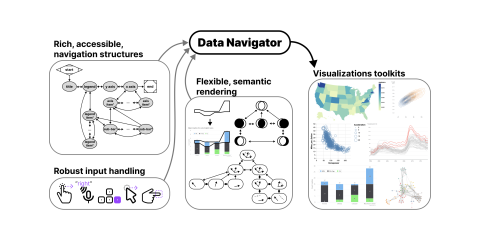
Data Navigator
PROJECTData Navigator is a JavaScript library that allows for navigation of data structures. Data Navigator makes png, svg, canvas, and even webgl graphics acces...
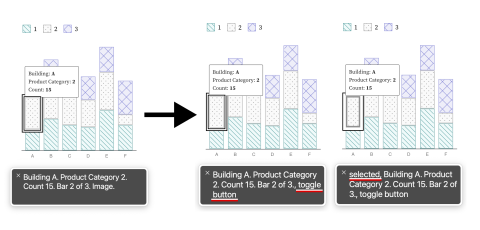
Chartability
PROJECTChartability is a set of heuristics (testable questions) for ensuring that data visualizations, systems, and interfaces are accessible. Chartability is or...
-
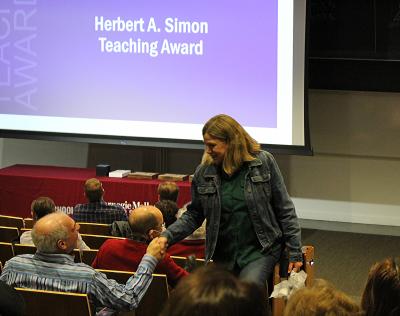
HCII at SCS Founders Day 2022
NEWSSeveral of our Human-Computer Interaction Institute colleagues were recognized at the SCS Founders Day Awards ceremony on Tuesday, April 5...
-

HCII Researchers To Study Improving Algorithm, Computer Science Education as Part of CERES Network
NEWSResearchers in Carnegie Mellon University's Human Computer Interaction Institute will collaborate with institutions around the world to ta...
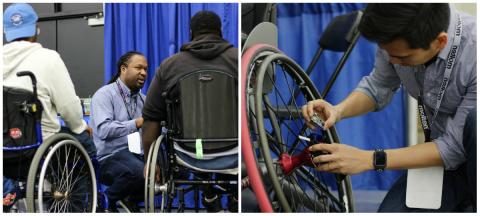
SpokeSense
PROJECTA Wearable Fitness Tracker for Wheelchair Athletes Information provided by traditional fitness trackers is not always relevant to athletes of all abiliti...
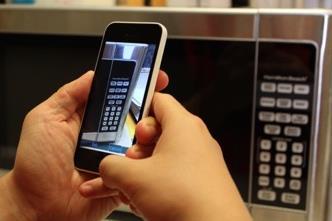
VizLens
PROJECTVizLens: A Robust and Interactive Screen Reader for Interfaces in the Real World The world is full of physical interfaces that are inaccessible to blind ...

Tiramisu
PROJECTThe Tiramisu project investigates how social media can provide new ways for citizens to take ownership of and responsibility for their public services. In...