
Learning Sciences and Educational Technologies
Understanding and improving how people learn using technology is at the core of human-computer interaction, learning sciences and educational technologies.
This interdisciplinary area builds on insights from cognitive science, psychology, education, computer science, and design to create effective educational tools and accessible learning environments. As technologies change, the learning sciences do as well. Today, educational technologies also include mixed-reality learning environments, educational games, intelligent tutoring systems, online courses, artificial intelligence (AI), learning analytics, and more.
Digital learning experiences can be adaptive, accommodating and responding to individual students' needs, which can lead to better engagement and improved learning outcomes. As HCII researchers continue their work, the LearnLab offers resources and support to the broader learning community, including a week-long Summer School for other educators.
Students who want to learn more about this HCI research area might be interested in the following courses:

Learning Analytics and Data Sharing
PROJECTLearnSphere is a community data infrastructure to support learning improvement online. It integrates educational data and analysis repositories to offer ...
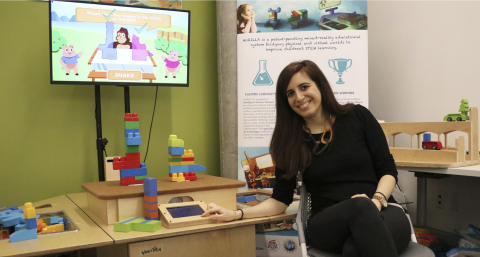
Mixed-Reality For Science Learning
PROJECTNoRILLA is a patented mixed-reality educational system bridging physical and virtual worlds to improve STEM learning. Research at Carnegie Mellon Universi...
Multiplier Effects in Math Education (MEME) Project
PROJECTThe MEME Project’s goal is to produce better educational outcomes by increasing motivation, learning, and self-regulation....

Personalized Learning Squared (PLUS)
PROJECTThe PLUS project is improving the learning outcomes for marginalized students by "squaring" the power of both human and computer tutoring. The PLUS Traini...
-

Understanding Data Science Critical for Life, Education
NEWSCMU experts turn everyday educators into data scientists Teachers and administrators have access to more data on how their students are l...
-
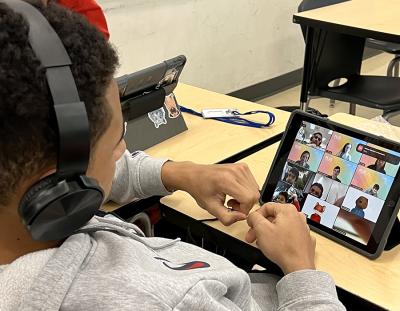
CMU's PLUS Program Expands to Multiple Schools, Community Centers
NEWSNot all students will ask for help when they're struggling, but more of them can get the support they need thanks to the expanded reach of...
-

CMU Team Wins $1M XPRIZE Digital Learning Challenge
NEWSCarnegie Mellon University learning science researchers John Stamper, Norman Bier and
-

The Myth of the Fast Learner
NEWSLearning science experts from Carnegie Mellon University's Human Computer Interaction Institute (HCII) wanted to know why some students le...
-
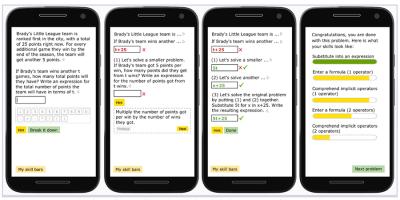
HCII Researchers Awarded $2M Grant To Test AI-Based Mobile Tutoring Software
NEWSHomework can be extra difficult for middle school students facing limited access to technology, lack of parental support or other factors ...
-

CMU Team Advances to Final Round of $1M XPRIZE Competition
NEWSDigital Learning Challenge seeks to improve learning outcomes with effective tools Carnegie Mellon University learning science research...
-

The Future of Classroom Experimentation
NEWSWith access to some of the best digital tools and learning systems ever seen, it's a wonder that there is currently no easy way for teache...
-

CMU Experts Help Reach Learners in Uganda
NEWSFinancial constraints and physical distance from schools kept more than 75% of school-aged learners in Uganda out of the classroom, even b...