
Social Computing
By analyzing natural social interactions and applying behavioral theories, social computing researchers have identified what makes online social interaction and communities successful and how to build better collaborative digital user experiences.
HCII faculty for decades have been leaders in research on computer-supported cooperative work, computer-mediated communication, the analysis and design of online communities, and investigating the social impacts technology has on society.
Today, social computing platforms and tools are a part of everyday life for many. For example, Wikis enable users to collaboratively edit content and share knowledge; industry-specific platforms offer community and collaboration (eg. GitHub for developers); platform-based workers (eg. ridesharing, freelancing, or crowdsourcing) find work and community online; and social networking platforms provide online space for community groups and real-time communication.
Students who want to learn more about social computing might be interested in the following HCII courses:
-
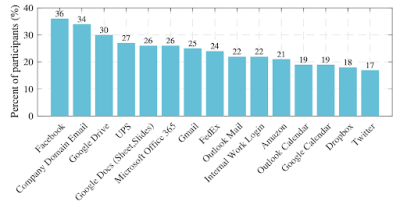
Account sharing sheds light on social cybersecurity
NEWSVisit the original blog post on the Center for Informed Democracy & Social - cybersecurity (IDeaS) website.
-
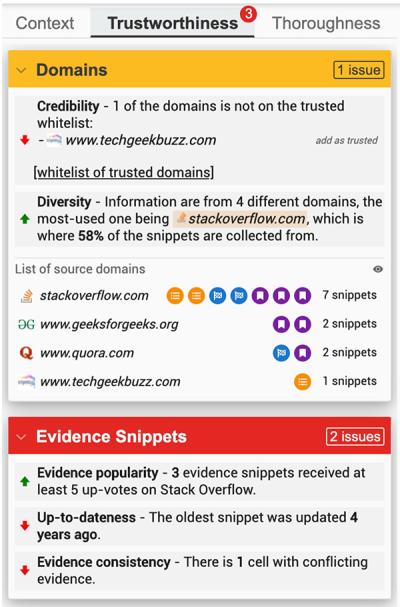
CMU Researchers Develop Tool To Help Determine When To Reuse Content
NEWSDon't reinvent the wheel, the saying goes. But before using someone else's design, at least make sure it will be round.
-

CMU Researcher Seeks To Understand the Regret Behind Social Media
NEWSIt started as a desire to spend less time on social media.
-

HCII at Virtual CSCW 2021
NEWS The ACM Conference on Computer-Supported Cooperative Work and Social Computing (CSCW) was held virtually October 23 to 27, 2021. ...
-

Overcoming Tab Overload
NEWSIf you are reading this, chances are you have several other tabs open in your browser that you mean to get to eventually.

VizLens
PROJECTVizLens: A Robust and Interactive Screen Reader for Interfaces in the Real World The world is full of physical interfaces that are inaccessible to blind ...
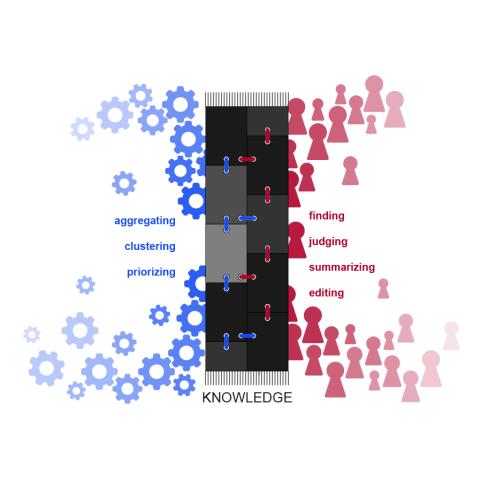
The Knowledge Accelerator
PROJECTResearchers from the Human-Computer Interaction Institute are working on a system they call Knowledge Accelerator. A system that uses a machine-learning p...
Digital Footprints
PROJECTPersonal information management and privacy is a major and increasing challenge. New internet architectures will make people and their interactions more t...
Technology-Enabled Role-Playing in Design
PROJECTCollege professors frequently use role-playing in class as a way to engage their students and enhance the learning experience. However, role-playing often...
Supporting Newcomer Socialization in Online Production Communities
PROJECTOnline production communities are becoming increasingly important, because they are creating the software that drives the Internet, generating valuable sc...
Social Ideation Systems
PROJECTThis project investigates how social computing systems can optimize real-time creative collaboration, whether in teams or with crowds. We are actively dev...
Social Cybersecurity
PROJECTOur research into the human factors of cybersecurity focuses on people as social actors whose security behaviors are influenced by their relationships, co...